Rosemary: A Handwritten Font for Authentic Small Business Branding
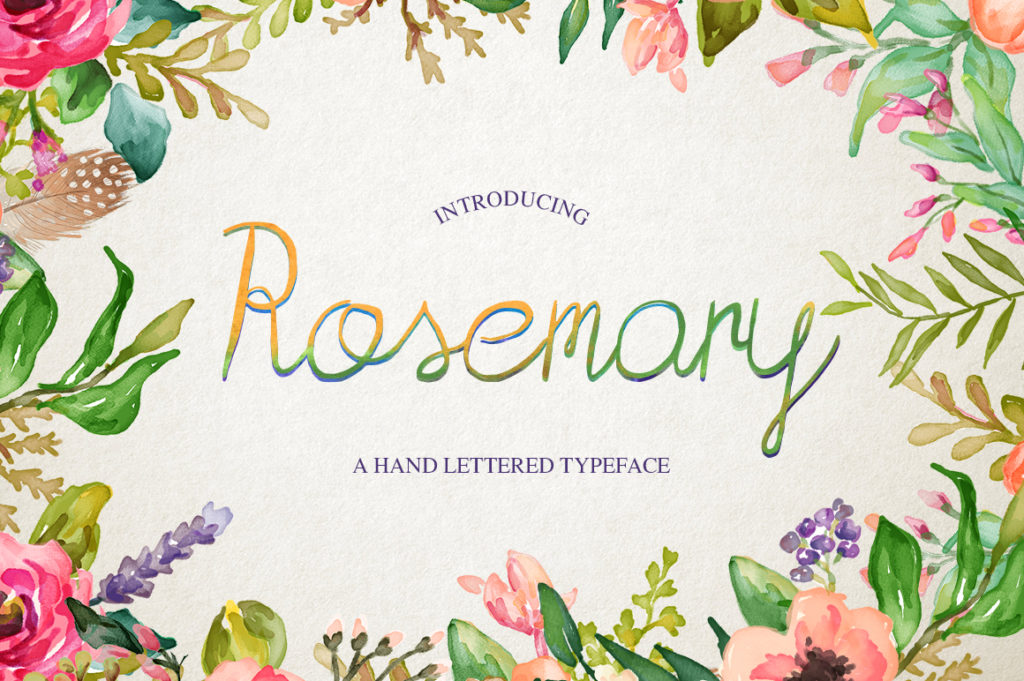
Running a small business means wearing every hat, from CEO to graphic designer. One of the most frequent challenges I face is creating materials that look cohesive and professional without spending hours on design software or hiring an expensive agency. When you are launching a new brand identity or refreshing your existing one, the choice of typography can make or break your credibility. This is where Rosemary, a newly released script font from Script Amp, has become an indispensable tool in my workflow. It is a fully handwritten, simple, and elegant typeface that brings a human touch to digital and print materials alike.
In a market saturated with generic templates and corporate-looking designs, standing out requires authenticity. Rosemary captures that essence perfectly. It feels personal, like a note written by hand, yet it maintains enough structure to remain legible and clean. For entrepreneurs selling handmade goods, offering services, or running boutique shops, this font bridges the gap between artistic flair and commercial viability. It helps establish a brand voice that is warm, trustworthy, and distinctly yours.
The Personality of Rosemary in Brand Identity
Typography is not just about reading; it is about feeling. The personality of a font communicates your brand’s values before a customer even reads the text. Rosemary is described as good, simple, and fully handwritten. Visually, this translates to a modern script that avoids the overly ornate or difficult-to-read styles of the past. It strikes a balance between decorative and functional.
When I first tested Rosemary, I was struck by its versatility. It does not scream for attention but rather invites the viewer in. This subtlety is crucial for small businesses that want to appear established and reliable rather than amateurish. Whether you are designing a logo for a local café or creating social media graphics for an online shop, Rosemary provides a consistent visual anchor. It conveys elegance without pretension, making it suitable for a wide range of industries, from beauty and wellness to food and beverage.
Real-World Applications for Entrepreneurs
One of the biggest hurdles for independent creators is knowing where to use a specific font to maximize impact. Rosemary shines as a display font, meaning it is best used in larger sizes where its unique letterforms can be appreciated. Here is how I have integrated it into various business touchpoints:
- Product Labels and Packaging: For handmade candles, soaps, or baked goods, Rosemary adds a premium feel. Using it on product labels elevates the perceived value of the item. Because it is a creative font with a handwritten style, it suggests craftsmanship and care, which resonates deeply with customers who buy artisanal products.
- Social Media Graphics: On platforms like Instagram and Pinterest, visuals stop the scroll. Rosemary works beautifully as a headline on quote cards, promotional banners, or event announcements. Its simplicity ensures that the message remains clear even on mobile screens, where space is limited.
- Digital Marketing Materials: From email newsletters to website headers, Rosemary can serve as an accent font. Pairing it with a clean sans serif font allows you to maintain readability while adding a touch of personality to your web design. It breaks up blocks of text and draws the eye to key information.
- Print Collateral: Business cards, flyers, and menus benefit significantly from a quality script font. Imagine a café menu where the dish names are in Rosemary, paired with a standard body font for descriptions. The contrast creates visual hierarchy and makes the menu easier to navigate.
Building Trust Through Consistency
Consistency is the cornerstone of a strong brand identity. When your logo, packaging, website, and social media all use the same typographic language, customers begin to recognize your brand instantly. Rosemary helps achieve this consistency because it is adaptable. You can use it for primary headings across all channels, ensuring that your brand looks unified whether a customer sees it on a sticker, a poster, or a thumbnail image.
This uniformity builds trust. In the eyes of consumers, a cohesive brand appears more professional and legitimate. If your fonts clash or look inconsistent, it can signal a lack of attention to detail. By adopting Rosemary as a core element of your design assets, you signal that you care about the details, which encourages customers to feel confident in their purchase decisions.
Practical Font Pairing Strategies
While Rosemary is beautiful on its own, using it effectively often involves pairing it with other typefaces. The key is to let the handwritten font take center stage while supporting typefaces handle the heavy lifting of readability.
A classic and effective strategy is to pair a decorative script font like Rosemary with a clean sans serif font. Sans serifs are neutral and highly legible, making them perfect for body text, pricing, and detailed descriptions. This combination creates a modern aesthetic that is both stylish and accessible. For example, you might use Rosemary for the title "Fresh Baked" and a simple sans serif for the subtitle "Artisan Bread Daily."
Alternatively, pairing an expressive typeface with a readable serif font can add a layer of sophistication. Serifs evoke tradition and reliability, which can complement the organic feel of a handwritten font. This pairing works well for brands that want to emphasize heritage, luxury, or natural ingredients. However, ensure there is enough contrast between the two fonts so they do not compete for attention.
Readability Across Formats
As a business owner, you must consider how your typography will perform in real-world scenarios. Rosemary is designed to be simple, which aids readability, but it is still a script font. Therefore, it should generally be reserved for headlines, logos, and short phrases rather than long paragraphs of text. When used on small labels or social media thumbnails, test the font at the actual size it will appear. If the letters become too thin or hard to distinguish, switch to a larger size or a bolder weight if available.
Testing is crucial. Before committing to Rosemary for your entire brand kit, create mockups of your essential materials. Print out business cards, upload designs to your website, and post drafts on social media. Gather feedback from friends, family, or loyal customers. Ask them if the font feels appropriate for your industry and if it is easy to read. This practical approach ensures that your design choices align with your audience's expectations.
Commercial Licensing and Professional Use
Using high-quality design assets is an investment in your business, but it comes with responsibilities. Always check the commercial font licensing agreement before using Rosemary on products, packaging, templates, merchandise, client work, or digital downloads. Different licenses may apply depending on how you use the font. For instance, using it in a digital ad might require a different license than printing it on physical product labels.
By respecting copyright laws, you protect your business from legal issues and support the designers who create these valuable resources. Script Amp provides clear guidelines, so taking the time to review them ensures you can use Rosemary confidently and ethically.
Conclusion
For small business owners and entrepreneurs, every design decision contributes to the overall perception of your brand. Rosemary offers a compelling solution for those seeking to add a touch of warmth, professionalism, and authenticity to their communications. Its simple, handwritten style makes it versatile enough for logos, packaging, and digital content, while its clean lines ensure it remains legible and modern. By integrating Rosemary into your brand identity, you create a cohesive visual experience that resonates with customers and sets your business apart in a crowded marketplace. Whether you are launching a new venture or refining an existing one, investing in the right typography is a step toward building a memorable and trustworthy brand.